Gas vs. Electric Water Heaters: How To Choose The Right Option For Your Home
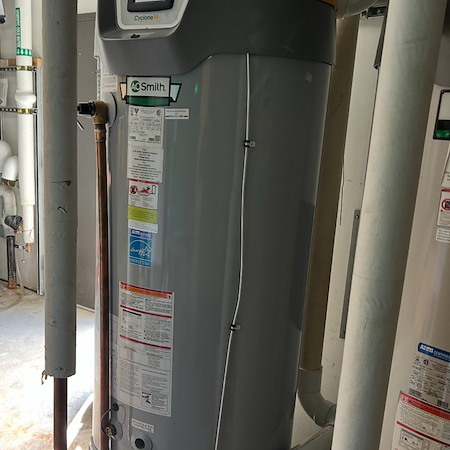
If you live in Washington, PA and your old unit is on its last legs, you’re likely weighing a gas vs electric water heater. The right choice depends on your home’s fuel access, space, and hot water habits. For a safe, code-compliant setup that fits your home, trust McVehil Plumbing, Heating & Air Conditioning. See our water heater installation & repair services for details.
This guide compares each fuel type in plain language, with real considerations for neighborhoods like East Washington, South Strabane, and North Franklin. For a quick overview of the tradeoffs and local fit, you can also start at our home page using the phrase gas vs electric water heater and browse from there.
What Really Matters In Washington, PA
Southwestern Pennsylvania gets long cold snaps, so recovery speed and consistent hot water matter. Many homes in older parts of town have tight basements and shared flues, while newer builds near Trinity or Meadowlands have more flexible layouts. Start with three questions:
- Choose the fuel you already have safely available to avoid major changes to gas or electrical service.
- Size for your busiest hour, like back‑to‑back showers and laundry on winter mornings.
- Match the unit to your space and venting options, especially in low-ceiling basements.
If you’re replacing an older tank, our team can recommend a like-for-like option or a high-efficiency upgrade and then handle the complete water heater installation & repair process.
Gas Water Heaters: Speed And High Recovery
Gas models heat water quickly and recover fast after heavy use. That can be a big plus during icy Washington winters when incoming water is colder. If your kitchen, laundry, and two showers all run in the same hour, gas often keeps up better.
Strengths You’ll Notice
Fast recovery helps large families, morning shower rushes, or frequent laundry. Venting routes are often already in place in older homes, which can simplify replacement. If you already have a natural gas line, it’s usually the most straightforward path to steady hot water.
Points To Consider First
Gas units need proper combustion air and venting. If you’re moving the heater or adding new gas appliances, you may also need safe line sizing. For any upgrade that touches fuel piping, have a licensed pro handle it and consider pairing with our gas line services for safety and reliability. Have a licensed plumber handle all gas connections and venting to protect your home.
Electric Water Heaters: Simple And Flexible
Electric units are straightforward when a 240‑volt circuit is available. They don’t need combustion air or flue pipes, so placement can be easier in tight closets or interior spaces. Many townhomes around Washington and nearby McMurray use electric for that reason.
Where Electric Shines
Simple placement and quiet operation make electric appealing in smaller homes or where venting is tough. With modern insulation and smart controls, some models hold heat well between draws. For homes with solar or time-of-use electric rates, electric can be attractive.
What To Check First
Make sure your panel has capacity for the water heater circuit. If your household takes several long showers back-to-back, recovery may feel slower. Heat pump water heaters are an electric option that can be very efficient, but they need adequate room air and drain provisions. Ask a pro which style fits your space and habits best.
Tankless: Worth A Look For Endless Hot Water
Tankless systems heat water only when you open a tap. That saves space and avoids standby losses. They’re popular for busy households and for smaller utility rooms where every inch matters. If you want to explore this route, review our tankless water heater installation & repair services for a right-sized recommendation.
Sizing Your Water Heater The Right Way
Whether gas or electric, size is the quiet hero of comfort. Think about how your family actually uses hot water on a packed day. A properly sized unit is more comfortable and can live longer because it isn’t constantly straining.
- Size for your busiest hour, not a quiet afternoon. Consider showers, laundry, and dishes together.
- Match the first hour rating or flow rate to your real demand so temperature stays steady.
- Account for basement temperature and long pipe runs that cool water before it reaches fixtures.
Unsure where to start? A short conversation with McVehil Plumbing, Heating & Air Conditioning makes the math easy and keeps your home comfortable year-round.
Efficiency And Operating Costs
Efficiency comes from how a unit converts energy into hot water and how well it holds that heat between uses. Gas and electric efficiency ratings are not apples to apples, and actual monthly bills vary by household, utility rates, and usage. If you run laundry and showers across the same hour most days, a faster-recovering unit can feel more efficient because it avoids lukewarm stretches.
Heat pump electric models can cut energy use but need the right space and airflow. Traditional electric tanks are simple and steady. Modern gas units are responsive and can pair with sealed venting options in the right setup. If incentives are available, they change from time to time, so ask our team for current guidance when we evaluate your home.
Space, Venting, And Noise
Basement heights in Washington homes can be tight. Gas units need clearances and safe vent paths. Electric tanks don’t vent but do need room for service access. Heat pump water heaters move air and make a gentle fan noise that’s fine in many basements, but they aren’t ideal next to a bedroom wall. Let us look at your layout so you don’t trade comfort for convenience.
Water Quality And Longevity
Minerals in local water can build scale inside tanks and on heating elements. That buildup makes any heater work harder over time. If we see heavy mineral deposits or rust in your fixtures, we may recommend pairing your new heater with whole-home conditioning. Learn more about water treatment systems that protect pipes, fixtures, and new equipment.
Reliability And Safety
A quality water heater should feel invisible day to day. Reliability starts with proper venting or electrical sizing and a clean, code-compliant install. It continues with routine checks to catch small issues early. Always install carbon monoxide detectors near sleeping areas if you use gas appliances. For electric units, use the correct dedicated circuit and breaker size so the system runs as designed.
When To Replace Your Current Unit
If you notice any of the signs below, it is smart to plan a replacement before an urgent leak forces your hand during a cold snap:
- Water around the base of the tank or visible rust on fittings
- Knocking or rumbling that returns after professional service
- Inconsistent water temperature or short hot water windows
- Age in the double digits paired with frequent resets or service calls
Replacing on your schedule helps you choose the right size and fuel type rather than settling for whatever can be rushed in that day.
Gas vs. Electric: A Quick Side‑By‑Side
Every home is different, but this summary captures how most Washington, PA households compare the two:
- Gas: quicker recovery, needs venting and safe fuel piping, strong choice for large families
- Electric: flexible placement, no venting, steady choice where panel capacity is available
- Heat pump electric: efficient in the right space, gentle fan noise, needs condensate management
Not sure which one is right for you? We can assess your fuel access, space, and hot water habits and then recommend the best fit.
Your Next Step With A Local Pro
Ready to pick with confidence and enjoy consistent hot water again? Start with a quick evaluation from McVehil Plumbing, Heating & Air Conditioning. We’ll check space, vent paths, electrical capacity, and water quality, then recommend the right size and style. When you are ready, our team handles a clean, warrantied install through our water heater installation & repair service so you can relax and enjoy the first hot shower.
If tankless fits your home, we size it for peak demand and verify gas or electric capacity through our tankless water heater installation & repair team. If you’re adding or relocating appliances, we can coordinate safe piping with our gas line services so everything works together.
Talk To McVehil Plumbing, Heating & Air Conditioning Today
Choosing between gas and electric is simpler with a trusted local plumber by your side. Call 724-225-3500 to schedule a visit, or explore water heater installation in Washington, PA and nearby service areas to see how we can help. From first conversation to final cleanup, we make the process smooth and safe so your family gets reliable hot water without the stress.
Request a Quote and Experience the McVehil Difference! Contact Our Local Plumbers and Heating and Cooling Experts Today!