Hydrojetting vs. Snaking in Washington, PA: Which Drain Cleaning Method Is Best for Your Home?
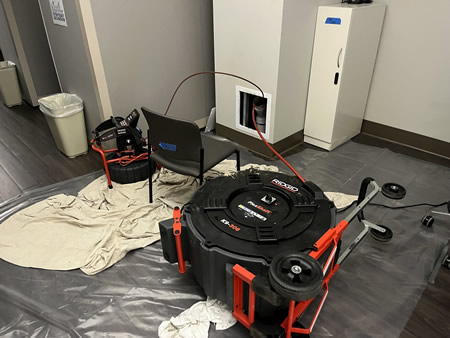
If a slow sink turned into a full backup overnight, you are not alone. Homes in Washington, PA and nearby neighborhoods like East Washington, South Strabane, and North Franklin see clogged lines after heavy rain, big gatherings, or years of buildup. The two most common ways a pro clears a drain are snaking and hydrojetting. Below we break down how each works, when to choose one over the other, and how McVehil Plumbing, Heating & Air Conditioning protects your pipes with safe, proven methods. When you want a deeper clean, many homeowners ask us about professional hydrojetting for lasting results.
What Is Hydrojetting?
Hydrojetting uses a high-pressure hose and a specialized nozzle to scour the inside of your pipe with water. The rear jets pull the hose forward while forward jets break up debris. Think of it like pressure washing the inside of a straw. The result is a pipe wall that is washed clean of grease, scale, and small roots that often lead to repeat clogs.
Because it washes the full diameter of the line, hydrojetting is ideal for main drains with thick grease, restaurant-style buildup from lots of cooking, or root mats near big shade trees in areas like Meadow Lands and Chartiers Township.
What Is Snaking?
Snaking, also called cabling, sends a rotating steel cable with a cutting head into the drain. It breaks through a blockage to open a path for water to flow. Snaking is quick and effective for tight, localized clogs like a wad of paper or a small root ball near a joint.
Many service calls start with a cable to restore flow. Once water is moving, your technician can decide if the line is healthy or if a more thorough cleaning is needed to prevent the same clog from coming back.
Hydrojetting vs. Snaking: Key Differences for Washington, PA Homes
- Cleaning depth: snaking opens a hole; hydrojetting cleans the pipe wall.
- Typical targets: snaking handles single obstructions; hydrojetting removes grease, scale, and small roots along longer runs.
- Recurrence risk: snaking may leave residue that re-forms; hydrojetting reduces near-term repeat clogs by flushing buildup.
- Equipment needs: snaking uses a cable machine; hydrojetting requires a jetter, proper nozzles, and trained techs.
In older parts of Washington with clay or cast-iron laterals, residue on rough pipe walls can snag wipes and grease again. That is where a careful jet can make the difference between a one-time visit and another call a few weeks later.
Pipe Materials And When Each Method Fits
Every home is different, and so is every line. The right choice depends on material, age, and what a camera finds.
- PVC and newer SDR: hydrojetting is often a strong pick for thick grease or scale along long runs.
- Cast iron: both methods can work; a measured jet helps remove scale that cables skim over.
- Clay tile: common in older Washington and Canonsburg homes; gentle technique matters. Snaking may open flow first, then a controlled jet may follow if the tile is intact.
Always schedule a camera inspection first when the line is old or you suspect damage. That way your technician can match pressure, nozzle, and method to what your pipe can safely handle.
Why Inspection Matters Before Cleaning
A clear view prevents guesswork. A quick sewer camera inspection confirms whether you are facing roots, heavy grease, a partial collapse, or an offset joint. It also shows how far the issue is from the house and which branch it affects.
With the video in hand, your tech can pick the safest plan: cable only, cable plus measured hydrojetting, or cleaning followed by a repair. If repairs are needed later, imaging helps plan options with minimal digging.
Local Conditions That Influence Clogs
Washington County weather and terrain affect your drains. Spring storms and fast snowmelt can push groundwater into tiny cracks, which stirs up debris and leads to main line backups. Mature maples and oaks near East Washington reach for moisture, sending fine roots toward pipe joints. Winter freeze-thaw cycles make old clay joints shift a little, which gives grease and paper a rough edge to grab.
Homes near slopes or long driveways, common around North Strabane and the Trinity area, may have longer laterals with low spots. Those bellies collect grease, food particles, and soap scum, which hydrojetting can flush when paired with the right nozzle and flow.
When Hydrojetting Is The Better Choice
Choose hydrojetting when the blockage is not just a lump but a layer. If your sinks drain slowly after every holiday gathering or you see thick grease and scale on camera, a jet is designed to wash that film away. It is also helpful when small roots keep returning after basic cabling.
Hydrojetting is thorough and fast, which saves disruption at homes in East Washington and South Strabane where a tight basement makes long cable runs awkward. A well-trained crew can finish the job and document the result so you can see the clean pipe wall.
When Snaking Makes More Sense
Snaking is a smart first step when you need quick relief and the clog looks localized. It is gentle on fragile sections and often the fastest way to restore basic flow if wastewater is standing. In some older clay laterals near Canonsburg and Houston, the cable opens the path, then the crew decides whether a careful jet is safe.
Snaking also makes sense when a branch line, like a single bathroom group, is the only thing acting up. Once clear, the team can decide if any follow-up cleaning is needed.
Safety First: Protect Your Home And Your Line
Never pour chemical drain cleaners into a slow or backed-up main. They often fail on heavy clogs, can sit in the pipe, and create hazards for whoever opens the line. If the basement floor drain starts to burp or overflow, stop using water immediately and call a licensed pro.
Professional-grade jetting gear includes backflow prevention, controlled pressure, and nozzles matched to the job. Trained techs use these tools along with PPE to keep your home safe and clean while they restore proper flow.
What To Expect From A Pro Visit
Your crew will locate the main cleanout, restore basic flow, then run a camera to see what caused the problem. If the video shows grease, scale, or fine roots along a longer stretch, they may follow up with a measured jet to wash the pipe wall. If there is clear damage, you will get documentation and repair paths that fit your home and yard.
Want a deeper dive on full-house backups? Read the plain‑language guide, what to do when every drain in your house is backing up, written for Washington, PA homeowners.
How Long Will Results Last?
No cleaning method repairs a broken pipe, but a thorough cleaning can push out repeat clogs. In busy kitchens, grease returns if habits do not change, and in older clay lines small roots can grow back. Your technician may suggest a maintenance plan so the line stays clear before heavy holiday use or spring rains hit.
If camera footage shows a crack or major offset, your team will outline repair options that match your yard and driveway. For many families around North Franklin and Meadow Lands, spot repairs or modern lining methods can avoid large trenches and long downtimes.
Choosing A Local Pro You Can Trust
Look for a company with real drain expertise, proper training, and clear communication. Choose a licensed, insured local team that inspects first, explains the plan, and shows you before-and-after footage. Ask how they tailor pressure, nozzle style, and access points for older clay or cast-iron lines common in Washington and Canonsburg.
At McVehil Plumbing, Heating & Air Conditioning, we pair experience with the right tools so your home gets a safe, complete clean. If hydrojetting is the best route, we use controlled pressure and the correct nozzles for your line. If snaking is smarter, we keep it simple and document what we find so you can plan with confidence.
Linking Method To Your Next Step
If you prefer a clean slate inside the pipe, hydro jet drain cleaning is built for heavy buildup that keeps coming back. If the goal is quick relief and a gentle touch, your tech can start with a cable and reassess after a camera confirms the line’s condition. When you want to explore equipment, process, and service areas, you can start from our home page using the phrase hydrojetting vs snaking and navigate to what you need.
Local Signs It’s Time To Call
Watch for patterns that point to a main line issue rather than a single fixture. If the basement floor drain gurgles when the washer drains, you smell sewage on the lower level, or showers back up when a toilet is flushed, the main needs attention. After wind‑driven rain, backups that flare up and fade are also a clue that groundwater is sneaking into small defects and pushing debris downstream.
If you see these signs in East Washington, Chartiers Township, or along Pike Street after a storm, call early. A fast response protects flooring, drywall, and belongings and helps your tech capture the problem on camera before it shifts again.
Ready For Clear, Reliable Drains?
Whether your home needs a simple cable or a thorough wash, our technicians will inspect first, choose the safest method, and show you the results. If a repair is smarter than another cleaning, we will explain options in plain language and schedule work that respects your time and property.
When you are ready to solve stubborn buildup and protect your line, schedule hydrojetting in Washington, PA with McVehil Plumbing, Heating & Air Conditioning, or call us at 724-225-3500. We serve Washington, McMurray, Canonsburg, and nearby communities with same‑day solutions that put your home first.
Request a Quote and Experience the McVehil Difference! Contact Our Local Plumbers and Heating and Cooling Experts Today!