7 Signs You Need Furnace Repair in Washington, PA Before the Next Cold Front Hits
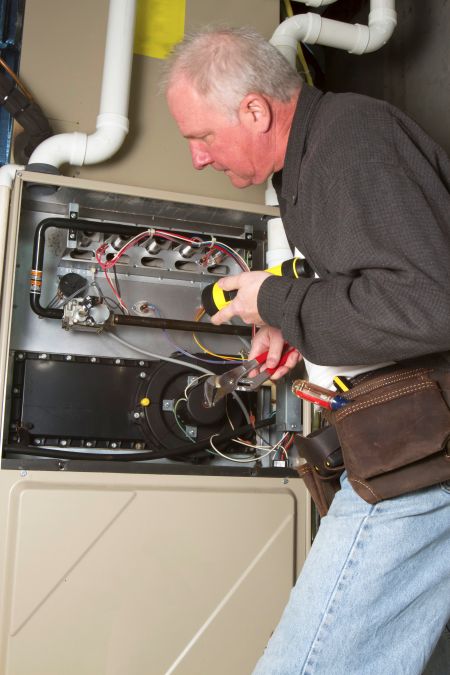
When a cold front rolls through Southwestern Pennsylvania, small furnace issues can turn into big comfort problems fast. If you catch them early, furnace repair is simpler and your home stays warm and safe. Below are seven clear warning signs Washington, PA homeowners should watch for before the temperature drops.
From North Franklin Township to Canonsburg and McMurray, winter weather can swing quickly. That extra strain reveals problems you might not notice on a mild day. At McVehil Plumbing, Heating & Air Conditioning, we help families searching for furnace repair in Washington, PA stay ahead of breakdowns so the heat is ready when the wind picks up.
The 7 Signs Your Furnace Needs Repair
1) Loud Bangs, Squeals, or Scraping Sounds
Your furnace will hum softly, but sharp or new noises are trouble. Banging and booming can point to ignition problems. Squealing can hint at a failing motor or belt. Scraping can mean a blower wheel rubbing the housing. Unusual sounds that get worse should be checked right away to prevent a sudden no-heat situation on the coldest day.
2) Short Cycling or Endless Running
Short cycling is when the furnace starts and stops every few minutes. It wastes energy, wears out parts, and can leave rooms chilly. On the other hand, a furnace that runs nonstop without reaching the set temperature is also a red flag. Short cycling accelerates wear, so don’t wait for the next cold front to test your luck.
3) Weak Airflow or Rooms That Never Feel Warm
If the air from your vents feels weak, or some rooms stay cold while others roast, your system may be struggling. In homes around Bethel Park and Eighty Four, this shows up as bedrooms that never catch up when the wind shifts. Uneven heating often points to blower performance problems or other system issues that need a pro’s eye.
4) Rising Energy Bills With the Same Habits
Utility bills that creep up even though you haven’t changed your thermostat settings are a classic sign of a furnace working harder than it should. Friction, minor ignition trouble, or airflow restrictions force longer run times. When the next cold front hits, those inefficiencies multiply.
5) Strange Smells That Don’t Go Away
A faint dusty smell at first start-up can be normal early in the season. Persistent smoky, electrical, or melting-plastic odors are not. If you notice a strong sulfur or rotten egg smell, get everyone outside and call your gas company from a safe place. If it smells dangerous, treat it as dangerous and contact a professional once you’re safe.
6) Yellow or Flickering Burner Flame
The burner flame should be steady and blue. Yellow, orange, or flickering flames can signal combustion problems that may lead to unsafe conditions. Never ignore a yellow flame. Make sure your carbon monoxide detectors are working and have the system checked by a licensed technician.
7) Constant Thermostat Tweaking With Little Result
If you keep bumping the thermostat but the house never reaches the set temperature, the furnace could be falling behind. In neighborhoods like South Strabane and Chartiers Township, this often shows up on windy nights when outdoor temperatures plunge quickly. It’s a sign the system needs attention before the next Arctic blast.
How To Decide What To Do Next
Think about your furnace like a car in winter traffic. If warning lights flick on and it’s sputtering, you don’t wait until the engine dies on the highway. You pull in for service before the breakdown. The same idea applies here.
- If you notice two or more signs above, schedule a professional evaluation before the next cold front.
- If you’ve had repeated comfort issues across recent winters, get a full system check to prevent emergency visits during a storm.
When a technician inspects your system, they look at performance as a whole. The goal is simple: restore reliable, safe heat across your home so cold snaps are uneventful.
Washington, PA Homeowner Concerns We Hear Most
Local homeowners often worry about two things: keeping the family warm when school and work still go on, and avoiding damage from a system that quits while pipes and rooms get too cold. Those concerns are valid. A timely repair can protect comfort and reduce risk when temperatures dip in Washington, Canonsburg, and nearby communities.
If your system is older and you’re weighing options, this related post can help you understand the tipping point for upgrades: signs you need a furnace replacement. It walks through age, performance, and reliability factors in plain language.
Why Cold Fronts Expose Hidden Furnace Problems
Sudden temperature drops make furnaces cycle more often and run longer. Weak parts get weaker, and borderline components fail under the heavier load. If your system already has airflow issues, a tired blower, or ignition trouble, a cold snap can be the last straw.
Timing Matters When A Cold Front Is Coming
Repairs are easiest to schedule before the first deep freeze. Technicians can test the system under normal load, fix issues, and confirm steady operation. Waiting until the wind howls means your furnace will be under stress while it’s being diagnosed. That’s not ideal for you or your home.
For homeowners in McMurray, Houston, and Cecil Township, think of the next cold front like a deadline. If your furnace is hinting at trouble, it’s smart to act now so your weekend and evenings aren’t spent chasing heat.
What You’ll Notice After A Proper Repair
After the right repair, you should feel even warmth across rooms, hear quieter operation, and see the system hit setpoint without constant tinkering. On the next cold night, your furnace should start smoothly, run a normal cycle, and shut off at the temperature you asked for. Comfort should feel predictable again.
When Repair Isn’t Enough
If a technician finds severe wear, chronic reliability issues, or safety concerns, they may suggest planning for replacement. That can be the smarter choice for long-term comfort. If you reach that point, explore your options for furnace installation so your next unit is sized and set up for Washington, PA winters.
Ready For Peace Of Mind Before The Next Cold Front?
If any of these signs sound familiar, it’s a good idea to schedule an inspection and get ahead of the weather. You can book fast, local service by requesting furnace repair with McVehil Plumbing, Heating & Air Conditioning today or call us at 724-225-3500. A quick visit now can prevent a surprise no-heat call when winter tightens its grip.
- Address warning signs now so your furnace is steady when temperatures plunge.
- Protect comfort in every room, from the living area to bedrooms that run cool.
Washington County weather can change in a hurry, but your comfort doesn’t have to. If you want a simple next step, reach out for a same-week check so your system is ready. When neighbors ask how you kept the house cozy through the last front, you can say you planned ahead.
Next Steps For Washington, PA Homeowners
Schedule a convenient time, share what you’ve noticed, and we’ll handle the rest. Our goal is dependable, quiet heat that holds during the toughest nights. To get started, request furnace repair in Washington with McVehil Plumbing, Heating & Air Conditioning or call 724-225-3500. We’ll help you stay comfortable from the first flurry to the last thaw.
Request a Quote and Experience the McVehil Difference! Contact Our Local Plumbers and Heating and Cooling Experts Today!